What to do when someone dies
When someone dies at home:
If the death of the person is expected, you will need to make contact with your GP, or the NHS out of hours services. Once they have certified the death, you can contact us and we will come and collect your loved one and bring them into our care. This can be done immediately following the certification, or you might want to spend some time with the person beforehand. This is absolutely a personal choice, and we will accommodate you in every way we can. Please note that if the request comes outside of office hours there will be a call-out charge incurred of £250.
The GP will then inform the medical examiner of the death (ME). You should receive a call from the ME in the following days (at the moment, because this is such a new process, we are unsure of the time that this takes and it can vary – we suggest that you stay in contact with us so that we can ensure that the process is running smoothly). Once the ME has spoken with you and established if there are any concerns or questions that may require a coroner’s involvement, they will either issue the certificate of cause of death (MCCD), or will refer the case to the coroner. This might be just a simple check and confirmation or the coroner might decide to carry out further investigations. In this case, the coroner will make contact with you. Please do not hesitate to get in touch with us if you need any advice or help with this process. Once the MCCD has been issued, you can then book an appointment to register the death, which should be done within 5 working days once you have spoken with the Medical Examiner.
When someone dies in hospital:
The process is the same as the above, accept it will be managed by the bereavement office staff at the hospital. They will inform the medical examiner (ME) of the death and once the ME has contacted you, the certificate of cause of death (MCCD) will be issued to the bereavement officer who will then forward it to the Registrar. At this stage you will then be able to book an appointment to register the death and the hospital will release the body of the person who has died to your chosen funeral director. Unfortunately, hospitals will NOT agree to release a body until the MCCD has been received. Because of this extra layer of checks, this process is taking longer than previously so please bare with us, we will always do everything we can to bring your loved one into our care as quickly as possible.
When someone dies in a care home:
The care home staff will usually ask you to appoint a Funeral Director if a person is at end of life care. Because care homes do not have mortuaries, they will contact us as soon as they have certified the death to come and collect the person and bring them into our care. Please note that if the request comes outside of office hours, there will be an extra charge incurred of £250. After this, the process will be the same as when the death occurs at home (above).
When someone dies in a hospice:
The hospice staff will usually ask you to appoint a Funeral Director if a person is receiving end of life care. When a person dies, they will liaise with the GP who will then refer the death to the medical examiner (ME). The process will then be the same as when the death occurs at home (above). Once the MCCD has been issued, the body of the person will be released and we can then bring them into our care.
If someone dies unexpectedly
If someone dies unexpectedly, their death will be reported to the coroner, who may call for a post-mortem or inquest. This may take some time and can delay the funeral. It is always best to make contact with us, as we can help you manage this stressful process.
Making the funeral arrangements
Funeral arrangements can be made in person, over the phone or via skype or zoom. Please feel free to contact us to discuss your requirements. We are very flexible and we will fit around whatever is most comfortable for you.
All the forms can now be signed remotely.
Useful Good Funeral Guide Resources
Questions-to-ask-a-funeral-director (1)
Good-Funeral-Guide-Trifold-
GFG-Choosing-a-funeral-director-trifold-
New death certification reform – September 2024
On 9th September 2024, the Government introduced new death certification reforms which now require an independent review to be carried out for all deaths in England and Wales before the funeral can take place, without exception. This will either be provided by an independent medical examiner (ME) or by referral to the coroner for further investigation. This is quite a significant change and the new process has had an impact on the timescales for completing the legal paperwork to allow funerals to take place. All parties are working hard to ensure a smooth transition and we hope that some of the teething problems will soon be ironed out. We advise to allow a few extra days in your timescales to ensure that everything can be completed on time.
Although these delays can be frustrating, particularly at the beginning, we do believe that this is a better system, and that this new process offers an extra layer of protection for the person who has died, and their bereaved relatives.
All hospital and community settings now have Medical Examiners (ME) in place to provide this extra layer of scrutiny. The ME will discuss the cause of death with the bereaved family and establish if they have any concerns or questions that may require a coroner’s involvement. They will then either request that the doctor overseeing the treatment issues the certificate of cause of death (MCCD), or they will liaise with the coroner. If no involvement from the Coroner is needed, the MCCD will be forwarded to the Registrar electronically so that the next-of-kin can register the death. The bereaved family will no longer have to pay the doctor’s fees of £82.
Part of the reforms also offer a simplification of the current rules which dictated that the doctor completing the paperwork needed for the funeral had to have attended the patient within the last 28 days. This presented a complication if the patient had not seen a doctor recently, or if the doctor was on leave when needed. The reforms now allow any doctor to complete the paperwork as long as they have attended the deceased in their lifetime. The doctor will propose a cause of death, if they can do so, to the best of their knowledge and belief, which will then be routinely checked and scrutinised by the ME.
Medical examiner role
Under the medical examiners regulations, medical examiners:
- provide independent scrutiny of causes of death
- give bereaved people an opportunity to ask questions and raise concerns with someone not involved in providing care to the deceased person prior to their death
- review medical records and work with doctors to complete the MCCD to help ensure this is accurate and to highlight any concerns about the care of the deceased person prior to their death
A medical examiner is a senior medical practitioner who is contracted for a number of sessions a week to provide independent scrutiny of causes of death, outside of their usual clinical duties. They are trained in the legal and clinical elements of death certification processes and will not have been involved in caring for the patient.
Death registration
Deaths can not be registered until the registrar receives notification of the cause of death from the medical examiner or the coroner. This notification will also start the 5-day statutory time frame to register a death.
Informants should have had opportunity to discuss and be aware of the cause of death before registration. When at registration they do raise issues of concern in relation to the cause of death, the issue will be raised with the coroner or medical examiner as appropriate.
You will need to make an appointment at a Register Office in the same county as the death occurred to register the death, ideally within five days of receiving a call for the medical examiner. The medical certificate of cause of death will be forwarded to the Registrar directly. For appointments in Kent, you can phone 03000 41 51 51, or book on-line –> Register a death – Kent County Council. If you have the birth certificate, NHS medical card or number and marriage or civil partnership certificates of the person who has died, take these along as well.
You may want to get several copies of the death certificate, as various authorities may need it. For example banks and life insurance companies.
The certificate for burial or cremation (the green form) will be emailed to your chosen Funeral Director.
During the pandemic the registration process was done over the phone, but now the Coronavirus Act has ceased,
it is necessary to register a death in person once again.
When Someone Dies, Where Do I Start?
This article is written by Louise Winter
Louise Winter is the editor of the Good Funeral Guide –an independent guide to the funeral industry and a not-for-profit resource that helps consumers to get the funeral they actually want in an entirely unregulated industry. She’s also the director of Life. Death. Whatever. – a festival exploring all aspects of life and death that ran in partnership with the National Trust in 2016. She’s a funeral director and the founder of modern funeral service Poetic Endings.
When Someone Dies Where Do I Start? If you are reading this guide because someone you know has died, please accept my condolences. I’m sorry that you’re going through this.
This has been written to guide you through what can be an unsettling and uncertain time. Dealing with the death of someone close to you is not easy, but it is manageable. There’s going to be a lot of paperwork. There’ll be a lot of people to talk to. There’ll be a lot to sort out. There’ll be some difficult decisions to make. But you should know that there’s no rush to make any decisions and there are supportive professionals out there who can guide you through what happens now.
If you’re reading this in preparation for the inevitable, you might want to print out this guide and keep it somewhere accessible. It has been written to enable you to have a more empowered approach to arranging a funeral.
Explore funeral options
Please don’t be pressured by medical staff into appointing a funeral director straight away. They may offer a suggestion as to who to use but you don’t need to take it. There’s no rush to make a decision about who to appoint. Give yourself some time to consider how you’d like to approach arranging the funeral.
Using a funeral director
You may wish to use a funeral director to take care of the person who has died and to make arrangements for the funeral. A funeral director will guide you through the many choices you have – from coffins to hearses, embalming and spending time with the person who has died.
Not all funeral directors are the same. There are traditional funeral directors who will provide shiny hearses and expensive coffins, if that’s what you want. There are also funeral directors who have a more modern approach to undertaking and can offer the services you want on a no frills basis. Don’t be fooled by appearances, the entire industry is completely unregulated. Anyone can become a funeral director with no training, qualifications or experience.
Traditionally funeral directors have been more concerned with funeral hardware – coffins and cars. Funeral software is becoming increasingly important – that’s the ceremony itself and the way emotions around a funeral are dealt with.
Do your research. Ask around. Pick up the telephone and speak to the person on the other end. Are they friendly? Do you like them? Are they prepared to be transparent about costs and service?
Corporate funeral chains do not have a good reputation in the UK and usually cost much more than independents. Corporates are often disguised as independents with a local family name above the door. Double check to make sure your funeral director is genuinely who they claim to be if using an independent business is important to you.
Be wary of funeral comparison websites that compare funeral directors based on price. It’s better to pick up the phone to a funeral director and explain your circumstances. A good funeral director will be able to help or refer you to someone who can.
The Good Funeral Guide is an independent resource that exists to help consumers get the funeral they want. It has a list of accredited independent funeral directors who have all been scrupulously inspected. If you use a GFG recommended funeral director, you’re promised a funeral professional who is emotionally intelligent and has a flexible approach to funerals and is transparent about prices.
If you don’t like the service your funeral director is offering, you can use someone else. Just because they may be taking care of the person who has died, doesn’t mean that it’s too late to change your mind.
You don’t have to let the funeral director handle everything or sell you a complete package. You may wish to create your own orders of service, have members of the family carry the coffin or put together flowers from your own garden. If the funeral director says no to any of your requests, consider changing funeral directors.
Funeral director is a misleading title; funeral producer is more accurate. A good funeral professional will facilitate what it is you want to do. YOU’RE the funeral director. You get to make the decisions.
DIY funerals
Using a funeral director is not a legal requirement. You may wish to handle the arrangements yourself. You can do everything from collecting the person who has died from the mortuary to taking care of them at home, transporting them to the funeral, and even arranging a burial or cremation.
You may come across resistance from professionals who may tell you that you have to use a funeral director. This simply isn’t true. If you’d like to sort out the funeral yourself, talk to the Natural Death Centre Charity who will be able to provide guidance and advocate on your behalf.
Direct cremation
Direct cremation is when the person who has died is collected from the place of death and cremated with no ceremony and no mourners. It’s become increasingly popular in recent years with people who have disregarded the need for a funeral ceremony.
Think very carefully before committing to this. A good funeral can be profound and transformational in helping the people left behind to accept and acknowledge the death of someone close to them. A funeral doesn’t have to be like the ones you’ve been to in the past; you can create a funeral that works for you and helps your grieving process.
Be aware that you won’t be able to see the person who has died if you opt for direct cremation and you may not know when or where it’s taking place.
Some crematoria offer a direct cremation service which also includes an hour long service that mourners can attend. Sadly this isn’t yet available across the country.
If you don’t want a traditional funeral but don’t want something as brutal as direct cremation, it may be better to opt for a no frills funeral where you choose the elements you would like. If you work with a flexible funeral director, they’ll be able to facilitate this for you. For example, it may be important for you to spend time with the person who has died, but not important that they are transported to the funeral in a hearse followed by limos. You don’t need to buy the entire funeral package.
Where to have the funeral?
Funerals don’t have to take place in a church or a crematorium. There are no rules.
Crematoria
Be aware that standards are not high at all crematoria. Some are private and others are owned by local authorities.
Most crematoria operate time slots. Lengths differ from an hour to 30 minutes. Be aware that a 30 minute slot is only 20 minutes of service time as 10 minutes will be taken with getting everyone in and out of the chapel.
If you know that there’s going to be a lot of content, you can request a double slot. There will be an extra charge for this.
You don’t have to go to the first crematoria that’s offered to you by the funeral director. Ask about how much time you’ll be given and whether the crematorium is in good repair.
At some stage, you may be asked to make a decision about the committal. This is when the curtains close around the coffin and/or the coffin moves through the doors and out of sight. Each crematorium is set up differently. It’s your choice as to how you say goodbye – you may want the curtains to remain open and the coffin in place.
You may prefer to say goodbye in your own way. For example, a message writing ceremony, a simple word of farewell or placing a rose on the coffin as you depart. There are no rules.
Natural burial grounds
Natural burial grounds can provide a more peaceful setting for a funeral. They’re often set in beautiful locations and some have ceremonial halls on site.
With natural burial, there’s much more time and space to hold the ceremony you want without the pressures of the crematorium.
Be aware that some natural burial grounds will not allow you to mark the grave site. Some will allow a simple marker whilst others encourage the idea that the person who has died is becoming part of the landscape.
Other venues
There are no laws stating where a funeral must be held. You can hold the service outside of the crematoria or church. Community halls, theatres and historic houses may work well for you but check that they will allow the coffin to be there, if that’s important to you. You can even hold the funeral at home or in your garden.
The funeral service
If you decide to have a funeral service, you’re going to need to make some decisions about the kind of service you’d like and who you’d like to take it.
Will it be celebratory? Solemn? Upbeat? Informal? Formal? What matters most is that the funeral reflects the person who has died, and serves the needs of those left behind.
The process of putting the funeral together helps the grieving process. Sitting down with relatives to share stories, taking time to write a tribute or gathering photos for the order of service is as important as the funeral itself.
Religious Services
Religious funerals have declined in popularity in recent years. The Church in England has done a lot of work to improve the funerals they offer and to make them much more personal.
If you’re looking for a highly personalised funeral service, it may be best to consider another option.
Celebrants
Funeral celebrants will facilitate the funeral that you’d like to have based on your beliefs, not theirs. The funerals they put together are usually life-centered and can include elements of religion such as prayers. A good celebrant will visit you at home and spend time talking about the life of the person who has died before putting together the funeral.
There’s a whole spectrum of celebrants with different styles and offerings. Some celebrants are brilliant, others aren’t so good. A quick Google search will reveal the names of celebrants in your area. Call them and have a chat. Your funeral director may recommend a celebrant. You don’t need to go with the recommendation and can book someone independently. It’s your choice.
Humanist Celebrants
If you’d like a funeral that’s entirely free of religion, spirituality and any mention of God, a celebrant from the British Humanist Association will be able to take the service. Most Humanist Celebrants won’t allow any spiritual content so if you’re looking for something more flexible, you’re probably best choosing a celebrant (as above).
If you’re looking for a funeral from an entirely non-religious and non-spiritual perspective, contact a Humanist Celebrant from the British Humanist Association
Blended faith
We live in a society of multiple faiths. Belief systems in families can be complicated. Mourners may have differing needs, but they don’t need to be contradictory.
For example, an Imam worked with a celebrant to put together a funeral ceremony for a young woman who had died. Her family were religious, her friends weren’t. The resulting funeral met everyone’s needs.
Family/ friend led
If you or someone you know feels capable of leading the funeral service, you can do that. You can put together the funeral yourself or appoint an open-minded celebrant to assist you with certain elements such as how to structure it.
Funerals don’t have to stick to any structure or format. You can just play a favourite song on repeat or sit in silence if that resonates with you.
Find support
In the days after the funeral, support networks often disappear. Friends stop phoning and relatives stop calling by with offers of help. This can be the most vulnerable period for a bereaved person.
Grief is messy, complicated and painful. Contrary to popular belief, it doesn’t come in neatly defined stages. The idea of ‘getting over it’ is deeply unhelpful. There’s no one-size-fits-all prescription.
Not dealing with difficult emotions leads to greater problems later on. There’s so much help out there. Julia Samuel’s Grief Works is a refreshingly helpful and modern approach to grief. She has many helpful suggestions as to how to build pillars of strength that enable the bereaved to rebuild their lives, in their own time.
Remember
A good funeral can be transformational in helping the people left behind to accept and acknowledge the death of someone they love. It may be joyful, solemn, sad, relaxed or formal, depending on the circumstances. You may choose to call it a funeral, a festival, a celebration of life, or something entirely different. It might be extravagant, it might be blissfully simple. A funeral can be meaningful and relevant and doesn’t need to break the bank.
If you want to find out more about funerals, good funeral directors or you have additional questions, take a look at the Good Funeral Guide.
This guide was originally written for Netdoctor.
Get in Touch
Please feel free to contact us at any time, whether to discuss your options, to seek our advice or to simply ask any questions you might have.
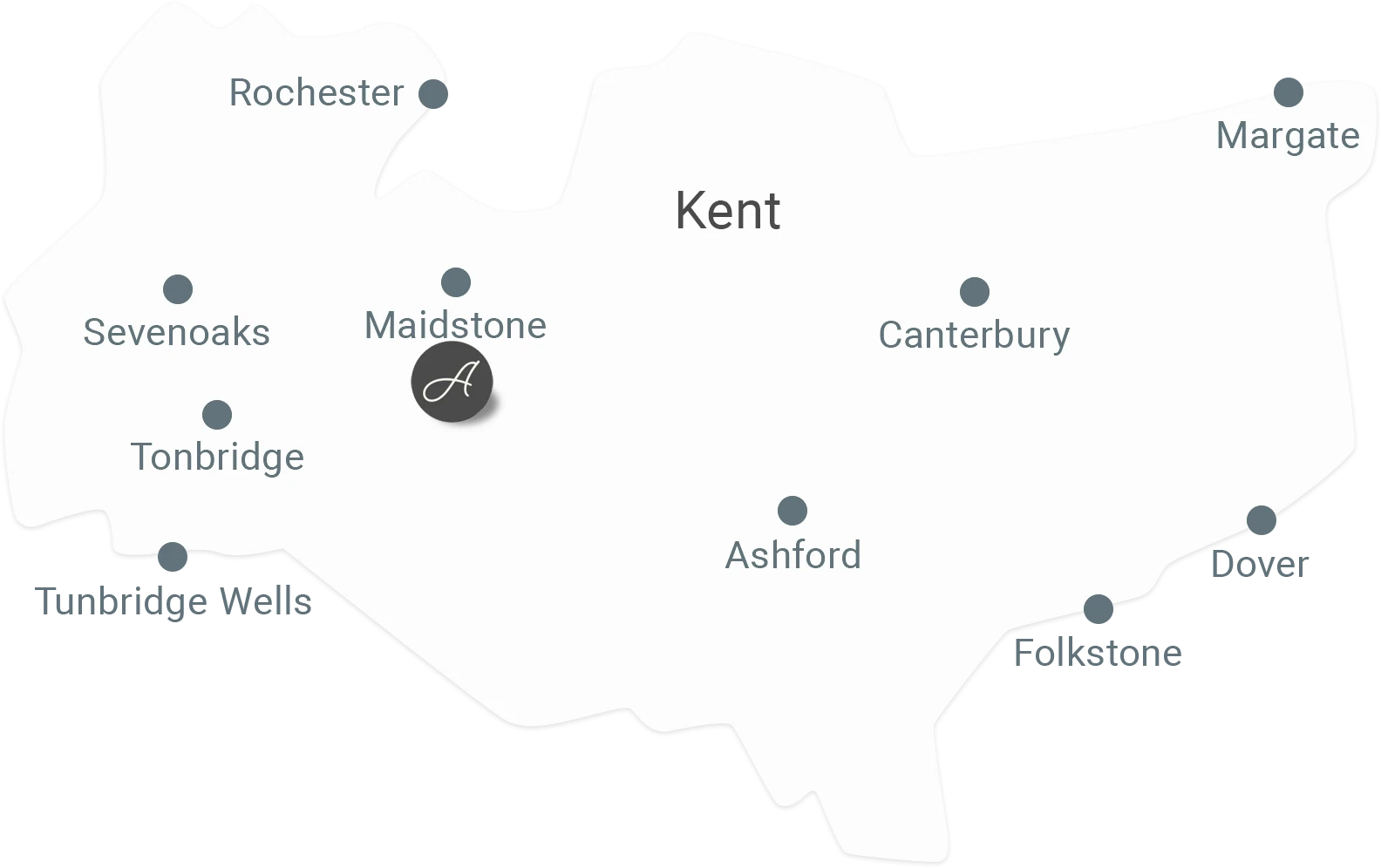
We regularly serve the whole of Kent and also more widely across the UK when requested.
More Info


Opening Times
Offices are open 9am-5pm Monday to Friday
Our phone lines are open and we are here to help 24/7